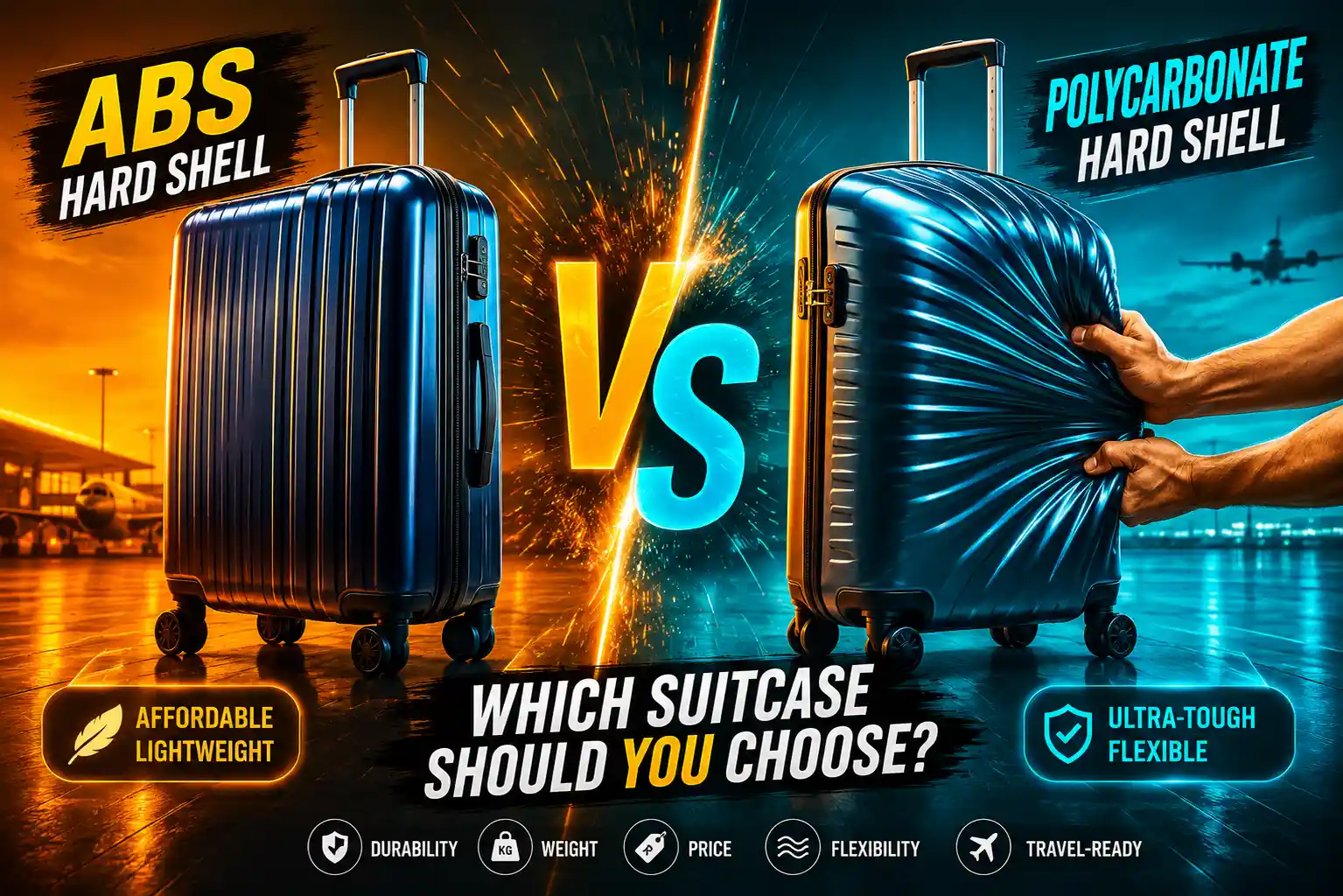
Choosing between ABS vs Polycarbonate luggage is one of the first real decisions you make when you shop for a new suitcase. Both materials look similar on a store shelf. They behave very differently once an airport baggage handler gets involved. This guide breaks down the science, the price gap, and the everyday trade-offs, so you can pick a suitcase that matches how you actually travel, not how the marketing copy says you should travel.
This comparison sits inside a broader trolley bag buying cluster. If a third plastic is also on your shortlist, our Polycarbonate vs Polypropylene Luggage guide breaks down that matchup in the same detail. And if you have not fully committed to a hard shell yet, our Hard Luggage vs Soft Luggage comparison is worth reading first.
We also bring aluminium into the conversation, because a fair comparison of hard shell suitcase materials cannot ignore the premium option that frequent flyers keep asking about. By the end, you will know exactly which material suits your budget, your travel frequency, and your tolerance for scratches.
Quick Verdict
Polycarbonate wins for most travelers because it flexes under pressure instead of cracking, stays lighter over the long run, and holds up better across years of checked baggage handling. ABS remains a smart pick for occasional travelers who want a rigid, attractive case at a lower price. Aluminium suits a smaller group who want maximum durability and a premium finish and do not mind the extra weight and cost.
How We Compared ABS and Polycarbonate
To evaluate ABS and polycarbonate fairly, I compared their durability, flexibility, weight, crack resistance, scratch resistance, finish quality, repairability, and price. I also looked at which material is better suited for occasional travelers, frequent flyers, and buyers looking for long-term value instead of focusing only on technical specifications.
How We Evaluated These Materials
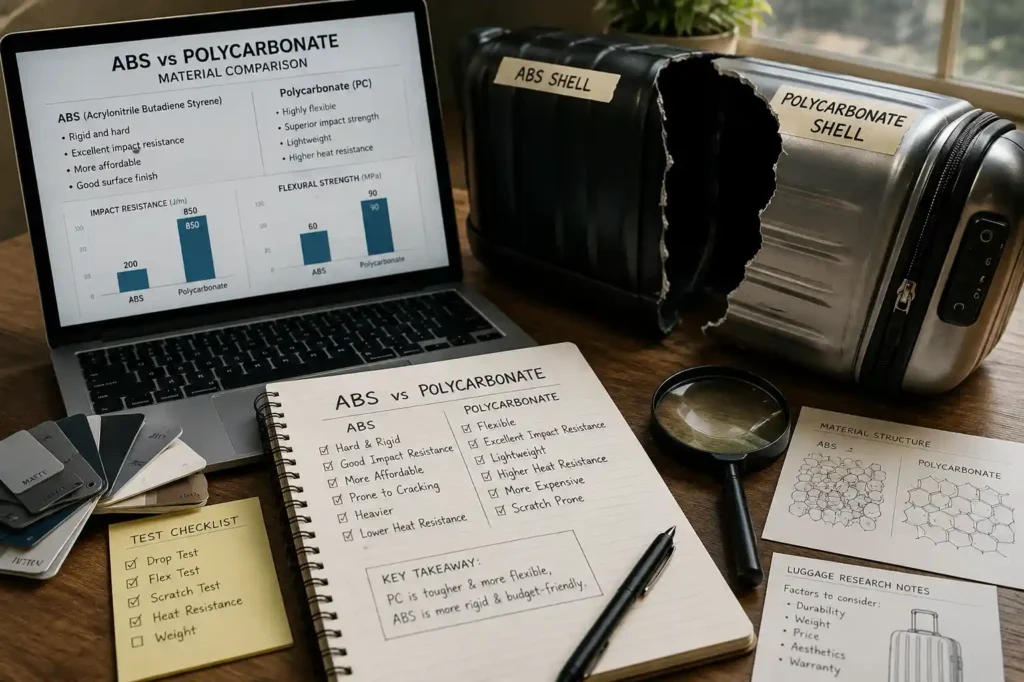
Before ranking any suitcase material, we treated this ABS vs Polycarbonate Luggage comparison as a research project, not a marketing exercise. We compared publicly available material science data on ABS, polycarbonate, and aluminium against real-world luggage reviews from established travel publications and manufacturer specification sheets.
But we looked at four factors that matter most to travelers: impact resistance, weight, scratch behaviour, and price relative to lifespan.
We did not run our own lab tests, and we are not claiming to have crash-tested suitcases ourselves. Instead, we cross-checked plastics industry data with independent luggage reviews so every claim in this guide is grounded in verifiable sources, not guesswork.
Why You Can Trust This Comparison
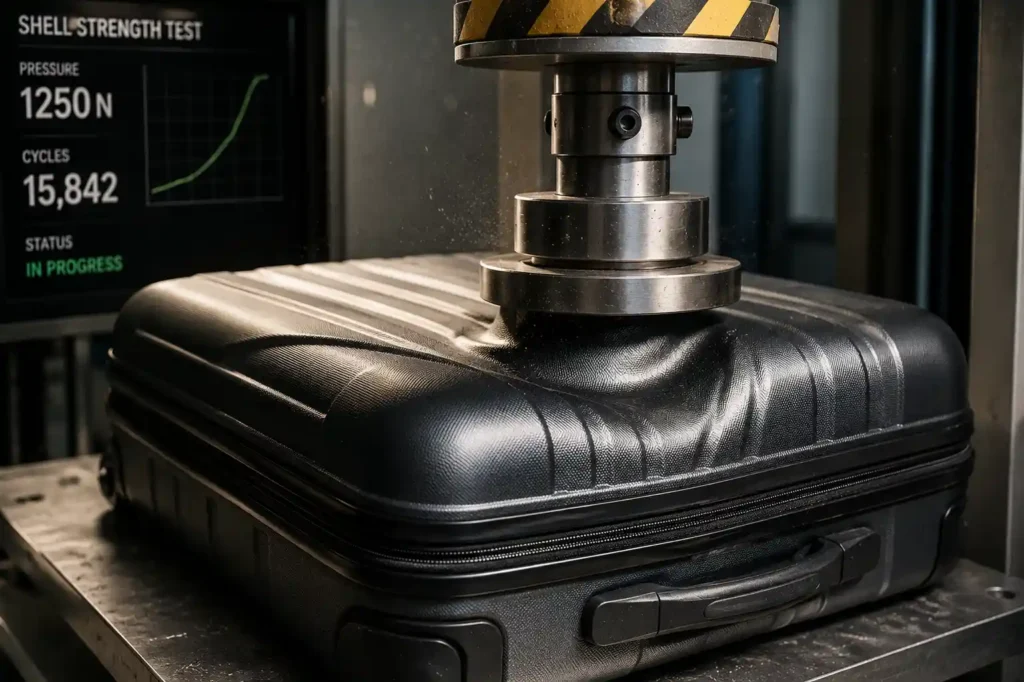
Luggage marketing loves big words like indestructible and unbreakable. Neither claim is true for any hard shell suitcase, no matter the material. This guide avoids that trap.
Every claim in this ABS vs Polycarbonate Luggage guide is based on how each material actually behaves under stress, sourced from material science publications and independent testing by travel outlets, with links provided so you can verify the details yourself.
What Is ABS Luggage
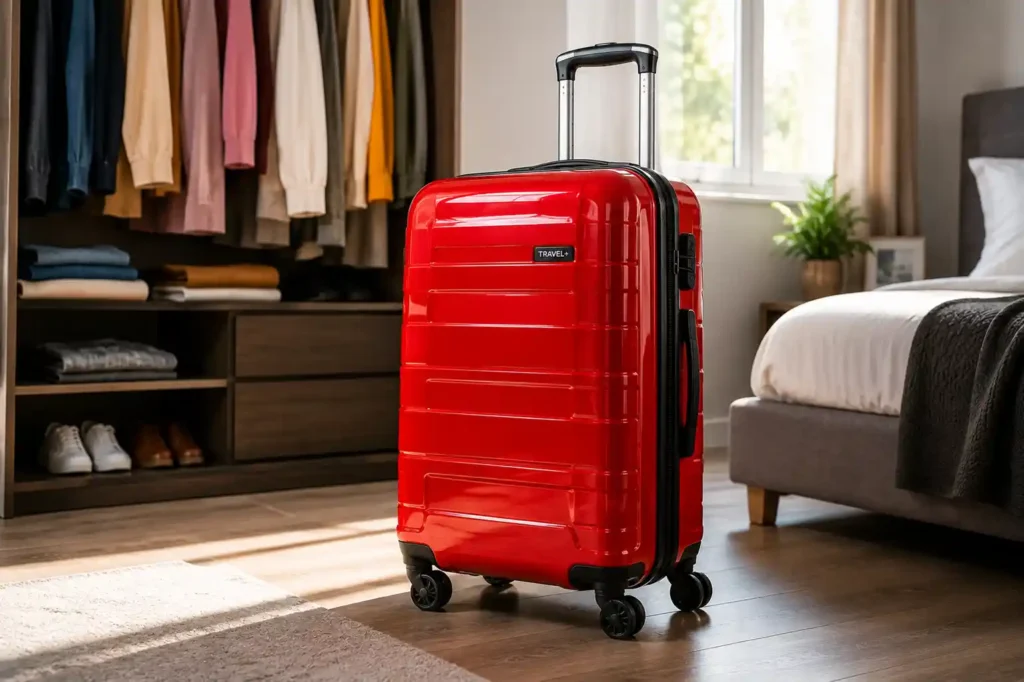
ABS stands for acrylonitrile butadiene styrene, a thermoplastic made by combining three separate polymers. Manufacturers can adjust the ratio of these polymers to make ABS luggage stiffer, shinier, or tougher, depending on the intended use, a balance that Piedmont Plastics’ Materials Comparison lays out clearly for anyone comparing engineering plastics.
ABS suitcases are common in the budget and mid-range segment of hard luggage. The material is rigid, holds paint and printed designs well, and resists scratching better than glossy polycarbonate.
It is also the material behind everyday products like LEGO bricks and appliance housings, which tells you something about its balance of affordability and structure. In the ABS vs Polycarbonate Luggage conversation, ABS is usually the first material shoppers encounter, since it dominates budget-friendly hard case luggage.
ABS Luggage: Pros and Cons
| Pros | Cons |
| Budget-friendly price point | Can crack under a hard, sudden impact |
| Rigid shell holds its shape | Shorter realistic lifespan than polycarbonate |
| Attractive glossy finishes and prints | Less flexible, so it absorbs less shock |
| Good scratch resistance for the price | Not ideal for very frequent flying |
What Is Polycarbonate Luggage
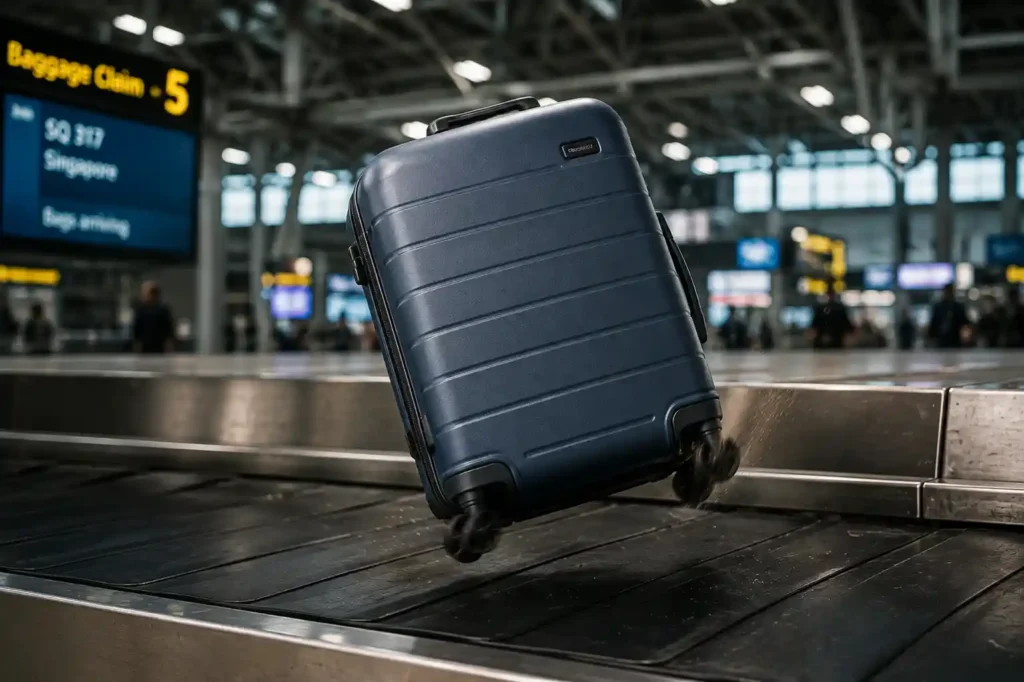
Polycarbonate, often shortened to PC, is a thermoplastic prized for its toughness. Its amorphous molecular structure lets it absorb and spread out impact energy instead of concentrating stress at one point, which is exactly why polycarbonate suitcase shells flex rather than shatter.
This is the same family of material used in riot shields, safety goggles, and aircraft windows, applications chosen specifically because the material resists cracking under force. In luggage, that translates into a shell that survives drops, throws, and the general chaos of checked baggage handling.
This is exactly why polycarbonate keeps winning the ABS vs Polycarbonate Luggage debate among frequent flyers.
Polycarbonate Luggage: Pros and Cons
| Pros | Cons |
| Excellent impact resistance, flexes instead of cracking | Higher price than ABS |
| Longer realistic lifespan | Glossy finishes scratch more visibly |
| Slightly lighter in many builds | Premium models cost significantly more |
| Premium look and feel | Textured finishes needed to hide scuffs |
ABS vs Polycarbonate Luggage: Feature Comparison
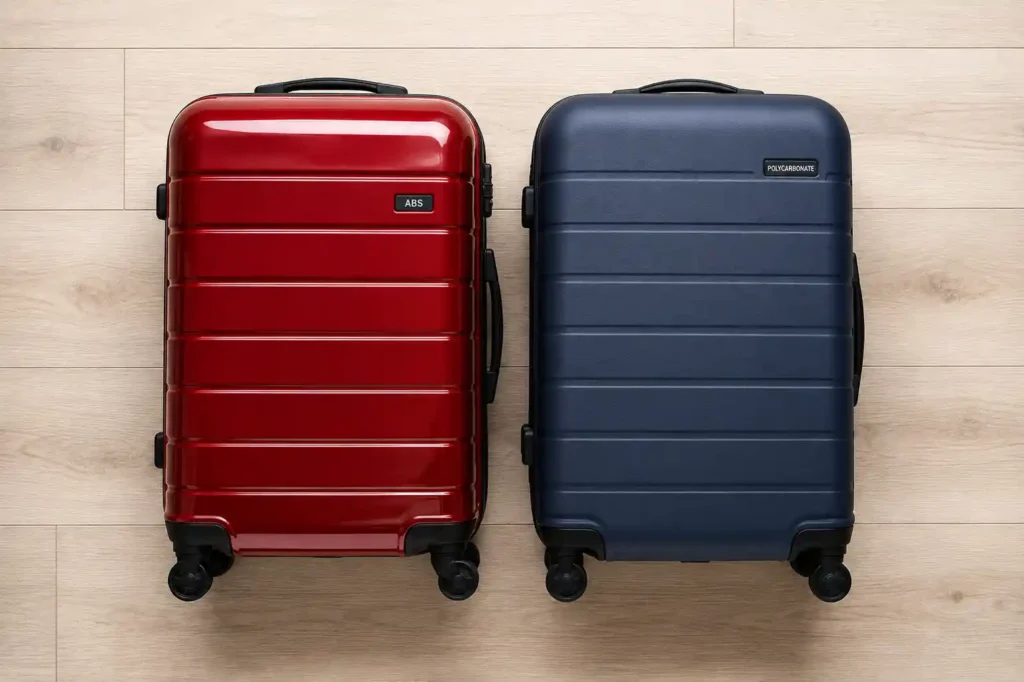
Here is the side-by-side breakdown most shoppers actually want before they open their wallet.
| Feature | ABS Luggage | Polycarbonate Luggage | Winner |
| Durability | Good for light to moderate use | Excellent for frequent, rough handling | Polycarbonate |
| Impact resistance | Can crack under a hard blow | Flexes and absorbs the impact | Polycarbonate |
| Weight | Lightweight | Similar, often slightly lighter | Polycarbonate |
| Scratch resistance | Moderate, hides marks better | Better shell, but shows scuffs on gloss finish | Depends on finish |
| Price | Budget friendly | Premium pricing | ABS |
| Premium feel | Basic to mid-range | Premium, richer finish options | Polycarbonate |
| Best for frequent travel | Acceptable for occasional trips | Excellent for frequent flyers | Polycarbonate |
Polycarbonate vs ABS Luggage: Which Is Better for Durability
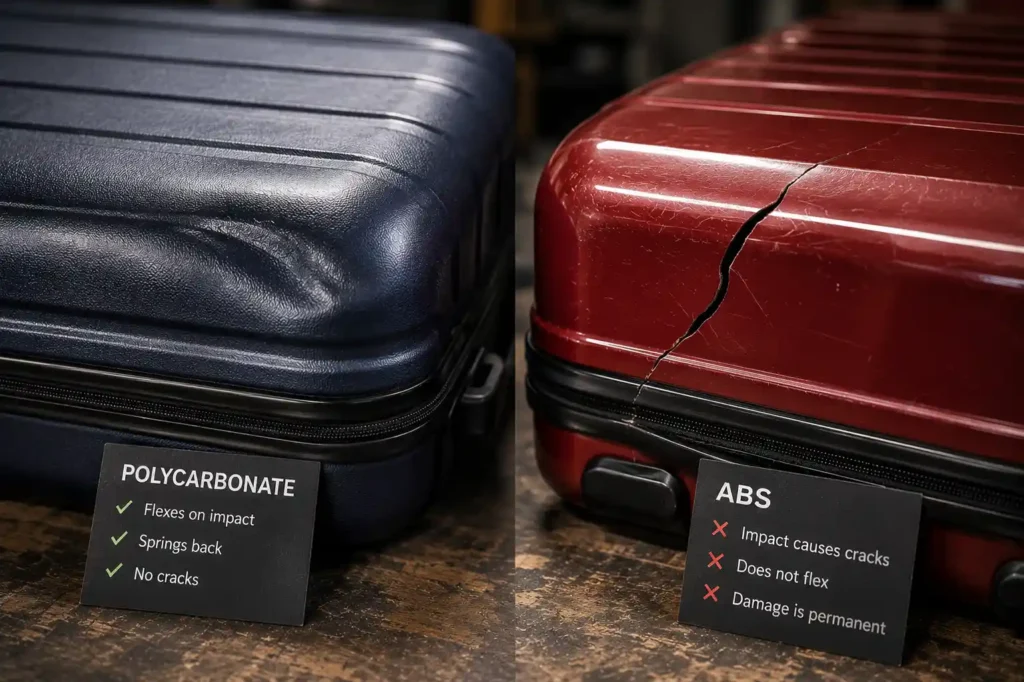
This is the question every serious buyer eventually asks, so let us settle it with the material science instead of marketing claims.
ABS resists moderate impact reasonably well, and it holds a tensile shape that makes it feel sturdy in the store. The catch shows up when a suitcase takes a hard, concentrated hit, like being dropped from a conveyor belt onto a hard floor. ABS is more prone to cracking in that scenario because it does not flex much before it fails.
Polycarbonate behaves differently. Its amorphous structure spreads stress across a wider area of the shell, which is why a polycarbonate suitcase tends to bend, bounce back, and survive drops that would crack a rigid ABS shell. This is the central reason Forbes Vetted’s Hardside Luggage Testing still favors polycarbonate builds after throwing suitcases down concrete stairs as part of its review process.
Neither material is indestructible. A hard enough impact, a sharp edge, or extreme cold can still damage either shell. But if durability under real airport conditions is your top priority, polycarbonate has the clearer advantage, backed by the same material properties that make it useful for riot shields and machine guards.
Weight: Does Material Choice Actually Matter
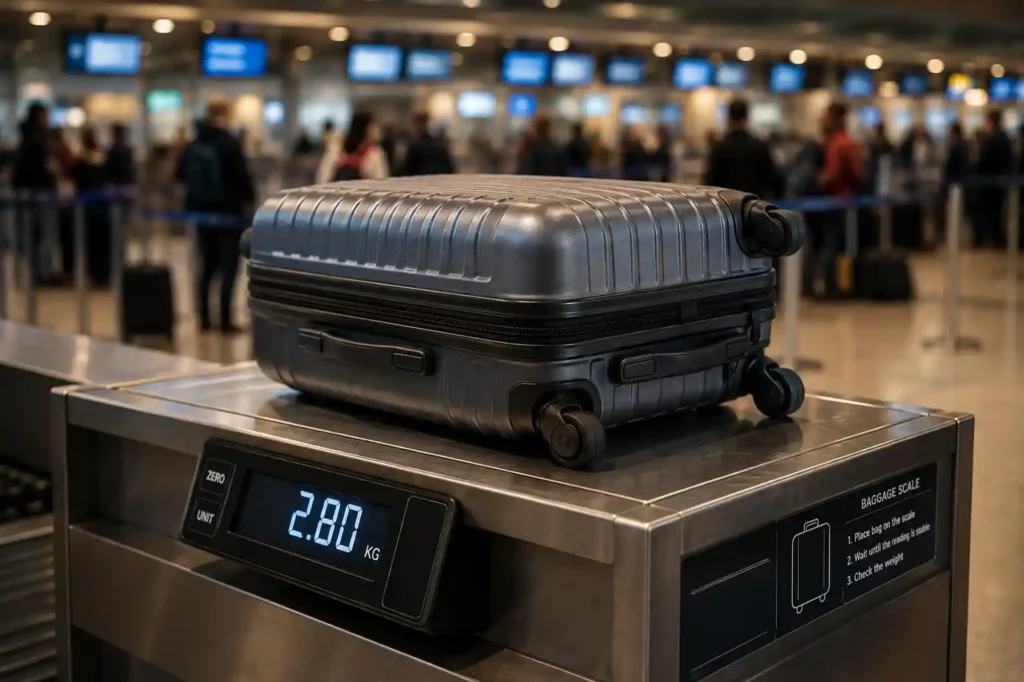
Both ABS and polycarbonate luggage sit in the lightweight category compared to metal luggage. Polycarbonate often has a small edge, especially in modern builds that use thinner, ribbed panels to save weight without sacrificing strength.
Weight is one of the quieter deciding factors in any ABS vs Polycarbonate Luggage purchase, especially for travelers who fly on strict cabin-weight airlines.
The difference between the two plastics is usually under a kilogram on a standard carry-on. That sounds small, but it matters if you fly with airlines that enforce strict cabin weight limits, since every gram of empty suitcase weight eats into your packing allowance.
Scratch Resistance: The Cosmetic Reality
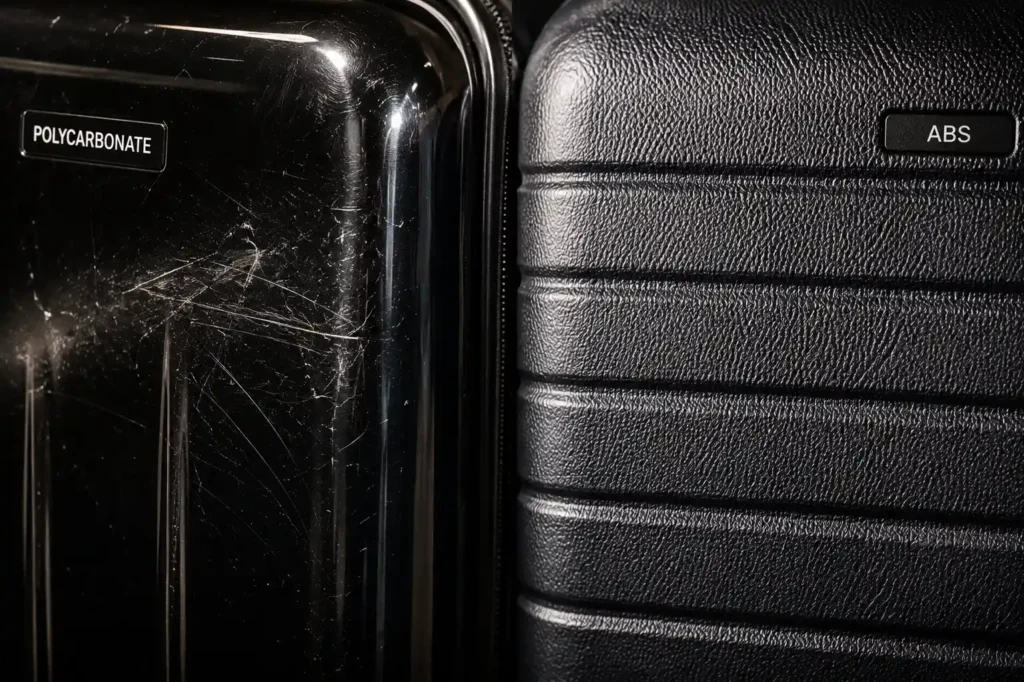
Here is a twist many buyers do not expect. ABS actually resists scratching a little better than glossy polycarbonate, because polycarbonate’s softer surface marks more easily under fine abrasion, even though it wins on impact strength.
Manufacturers get around this by using textured or matte polycarbonate finishes, which hide fine scratches far better than a glossy shell. If you want a pristine-looking case after every flight, prioritize a textured polycarbonate or a scratch-resistant coated ABS finish over anything glossy.
Price: What You Actually Pay
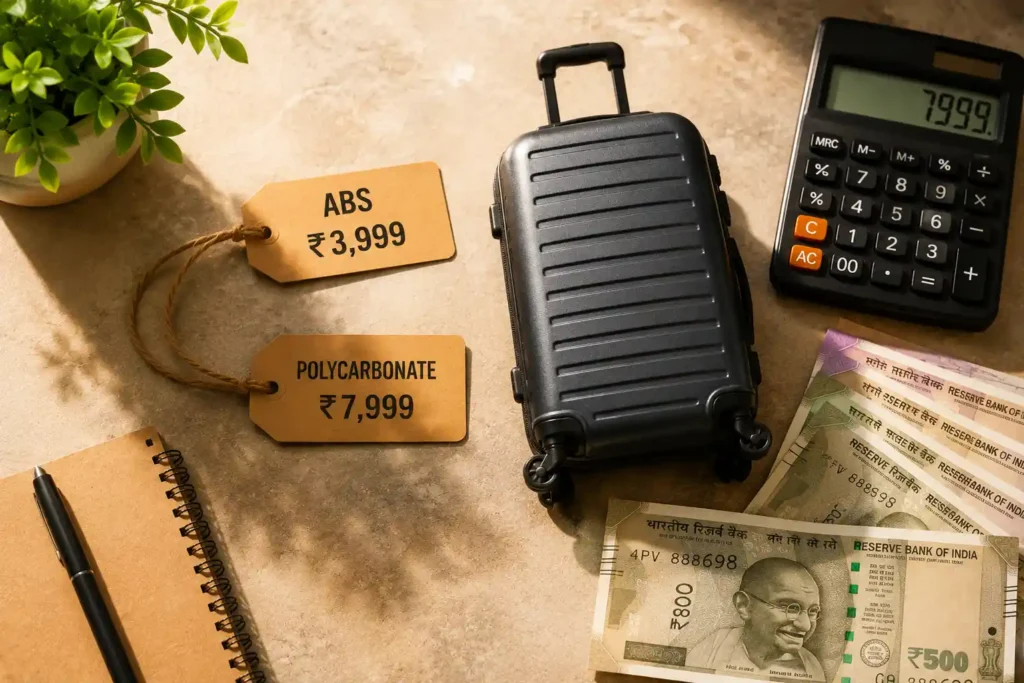
ABS suitcases typically sell in the budget zone, roughly 2,000 to 5,000 rupees in the Indian market, or under 80 US dollars in most Western markets, depending on size and brand.
Polycarbonate suitcases span a wider range, from around 4,000 rupees for entry-level models to 15,000 rupees or more for premium brands, which translates to roughly 60 to 400 US dollars depending on the label and build quality. Price is where the ABS vs Polycarbonate Luggage decision gets personal, since your budget often narrows the choice before durability even enters the conversation.
The honest way to compare price is cost per year of use, not sticker price. A polycarbonate case that costs twice as much but lasts twice as long is not actually more expensive in the long run.
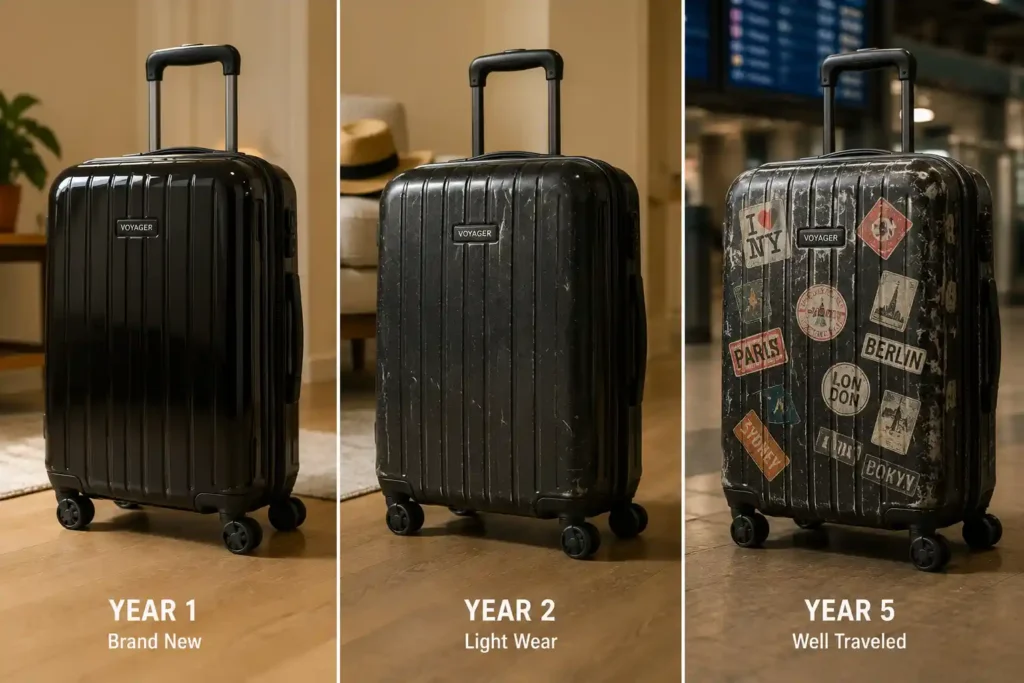
Lifespan: How Long Each Material Really Lasts
| Material | Typical Lifespan | Best Suited For |
| ABS | 3 to 5 years with regular use | Occasional travelers, students, budget buyers |
| Polycarbonate | 5 to 10+ years depending on quality and care | Frequent flyers, checked baggage, long-term value |
| Aluminium | Often a decade or longer, structurally | Business travelers who want a premium, lasting case |
Real Travel Scenarios
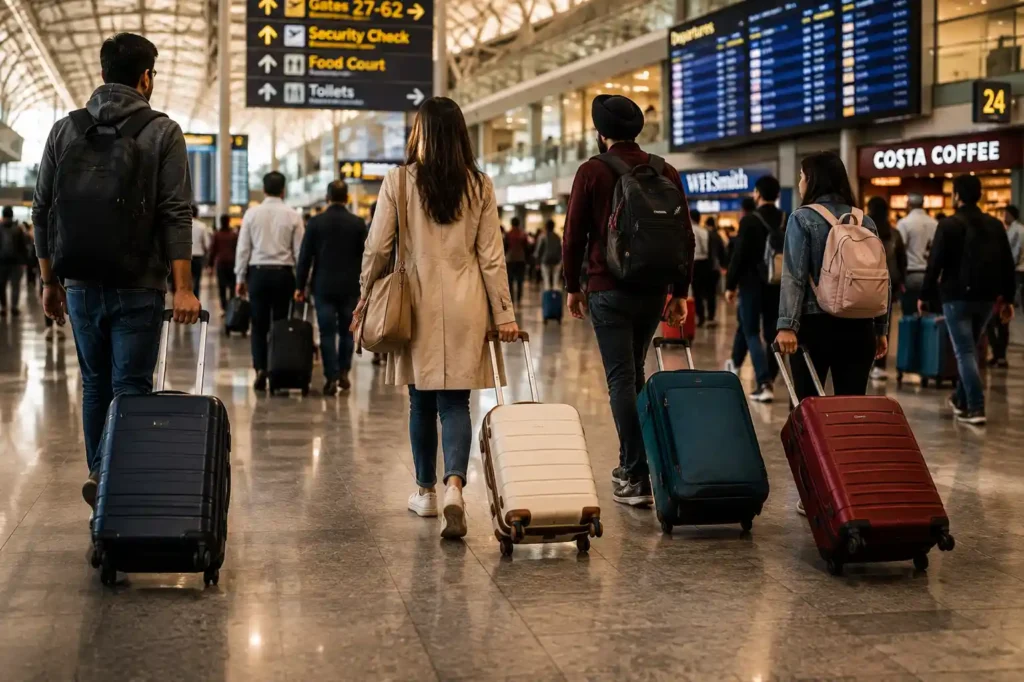
Numbers and lab data are useful, but the ABS vs Polycarbonate Luggage decision usually comes down to how you actually travel. Here is how it plays out in three common situations.
The Weekend City Hopper
If you take two or three short trips a year with mostly carry-on luggage, a well-made ABS suitcase does the job. You are unlikely to put it through the kind of abuse that exposes its weaker impact resistance.
The Monthly Business Flyer
Someone checking a bag every few weeks needs a shell that survives repeated handling. Polycarbonate is the more sensible investment here, since the cost per trip drops as the case racks up mileage without cracking.
The Long-Haul, Multi-Stop Traveler
Bags on multi-leg international routes pass through more conveyor systems, more transfers, and more handlers.
Airlines like Emirates report handling roughly 100,000 bags a day through a single hub, and even with strong automated systems, more transfers mean more chances for rough handling.
This is where polycarbonate, or an aluminium frame case for the truly demanding traveler, earns its price tag.
Aluminium vs Polycarbonate Luggage: Which Is Better
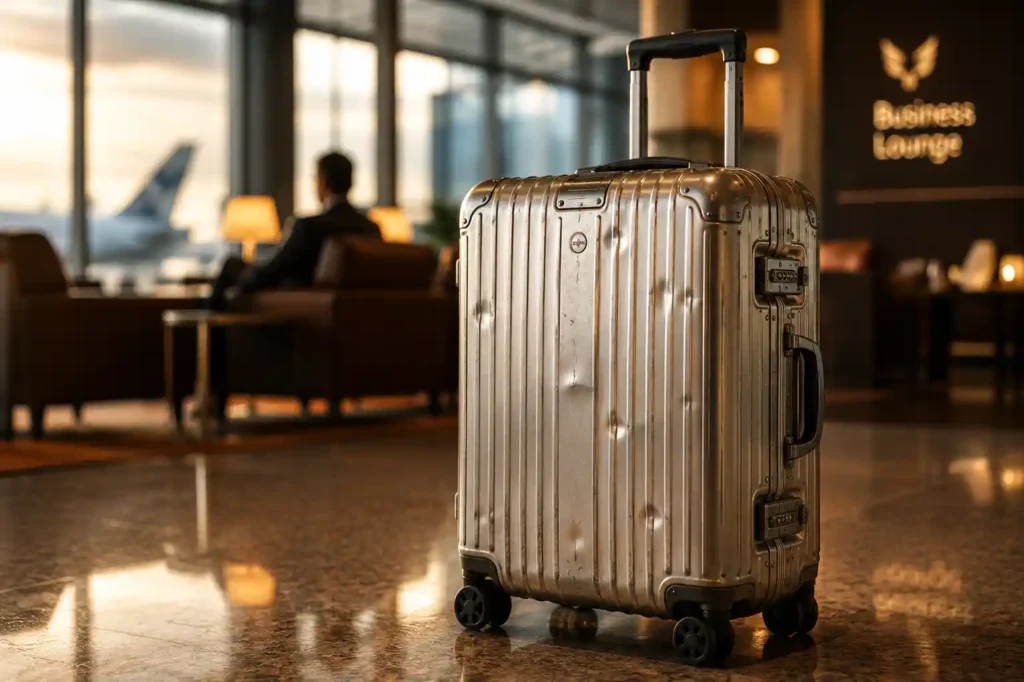
Aluminium luggage is the premium tier of hard shell suitcases, built from sheets of aluminium or an aluminium alloy rather than molded plastic.
Brands like Rimowa popularized the look decades ago, and it remains the choice for travelers who want a rigid, latch-secured case with a distinct metallic finish.
Aluminium does not crack the way plastic can. Instead, it dents. A hard knock leaves a visible mark, but the case usually keeps working and keeps protecting the contents inside.
Many long-time aluminium owners treat those dents as a travel diary rather than damage.
Aluminium vs Polycarbonate Luggage: Comparison Table
| Factor | Aluminium Luggage | Polycarbonate Luggage |
| Durability | Extremely durable, dents instead of breaking | Very durable, flexes instead of cracking |
| Weight | Noticeably heavier, often 35 to 45 percent more | Lighter, easier on cabin weight limits |
| Look and finish | Premium, metallic, develops a patina over time | Modern, wide range of colors and finishes |
| Flexibility of shell | Rigid, no expandable compartments | Slight flex, some models offer expansion zips |
| Locking security | Latch systems, often more tamper-resistant | Zipper or latch, varies by model |
| Price | Premium to luxury pricing | Budget to premium pricing |
When Aluminium Makes Sense
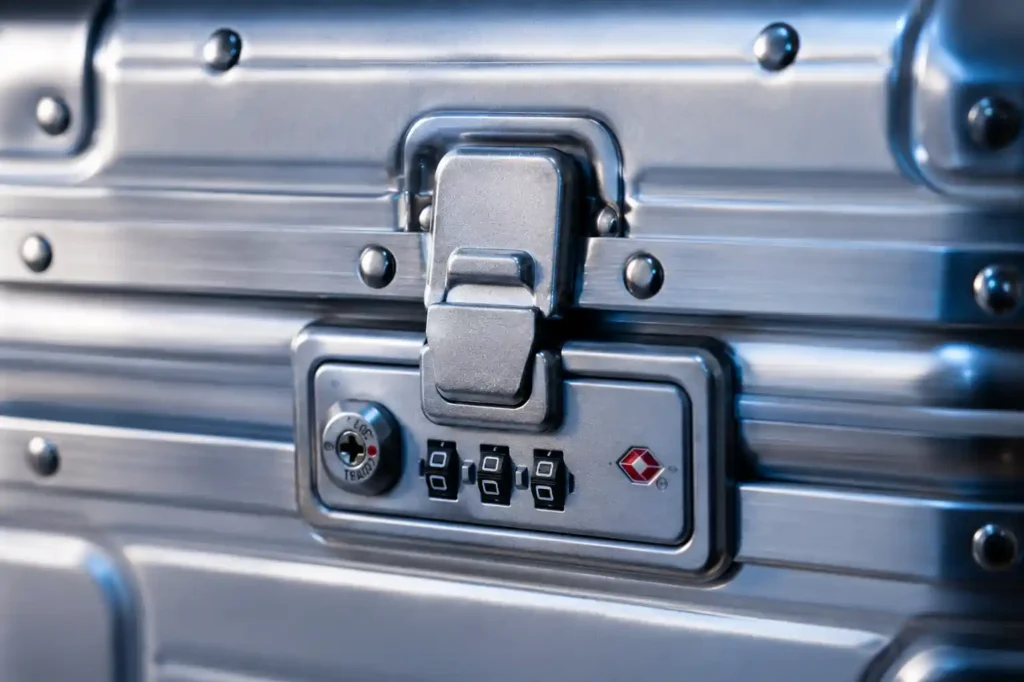
Aluminium earns its price when you fly often enough that a decade of hard use is a realistic expectation, when you carry sensitive gear like cameras or electronics that benefit from a rigid shell, or when the latch-based locking system matters more to you than a few hundred grams of extra weight.
It makes less sense if you value packing flexibility, need to keep carry-on weight low, or simply do not want to deal with visible dents on a brand-new suitcase.
Who Should Choose ABS Luggage

- Occasional travelers who fly a handful of times a year
- Students and budget-conscious shoppers who want a rigid case without a big spend
- Buyers who prioritize scratch resistance and a glossy, colorful finish
- Anyone who mostly carries the bag rather than checking it into rough cargo holds
- Vacation packers who want a fun, colorful rolling suitcase for short getaways
Who Should Choose Polycarbonate Luggage

- Frequent flyers who check baggage regularly
- Travelers who want the best realistic lifespan for the price
- Anyone flying with connections, transfers, or unpredictable baggage handling
- Buyers who want a premium look without aluminium-level pricing or weight
- Travelers who want dependable cabin luggage that also holds up as checked baggage on longer trips
Common Buying Mistakes

Even after weighing every factor in the ABS vs Polycarbonate Luggage comparison, shoppers still trip up on a few avoidable mistakes. Here are the ones we see most often.
Judging durability by how rigid the shell feels in the store
A stiff shell can feel stronger under your hands and still crack sooner than a shell that flexes. Rigidity and impact resistance are not the same thing.
Ignoring the wheels and handle
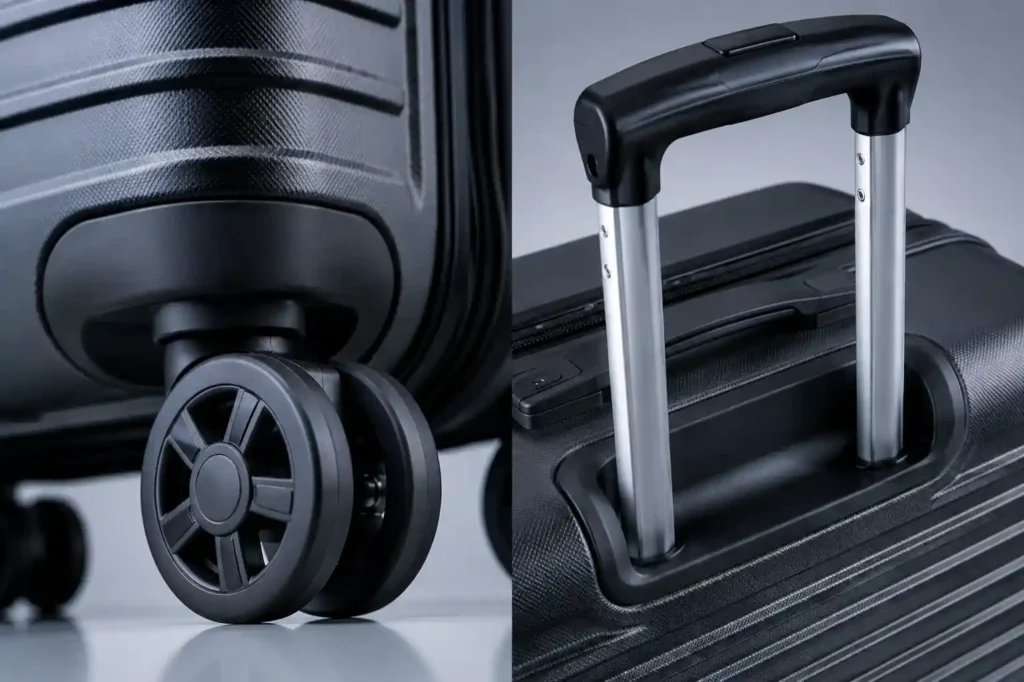
Shell material gets all the attention, but a broken wheel or a jammed telescopic handle ends a trip just as fast as a cracked shell. Check the warranty terms on these parts specifically.
Buying the cheapest option for frequent travel
A budget ABS case bought new every two years can cost more over a decade than one durable polycarbonate suitcase bought once. Calculate cost per year, not just the checkout price.
Choosing glossy finishes without expecting scuffs
Glossy polycarbonate looks stunning in photos and shows every scratch after one flight. A textured or matte finish is the more forgiving choice if you want the case to still look good after a year of travel.
Forgetting about lock compliance
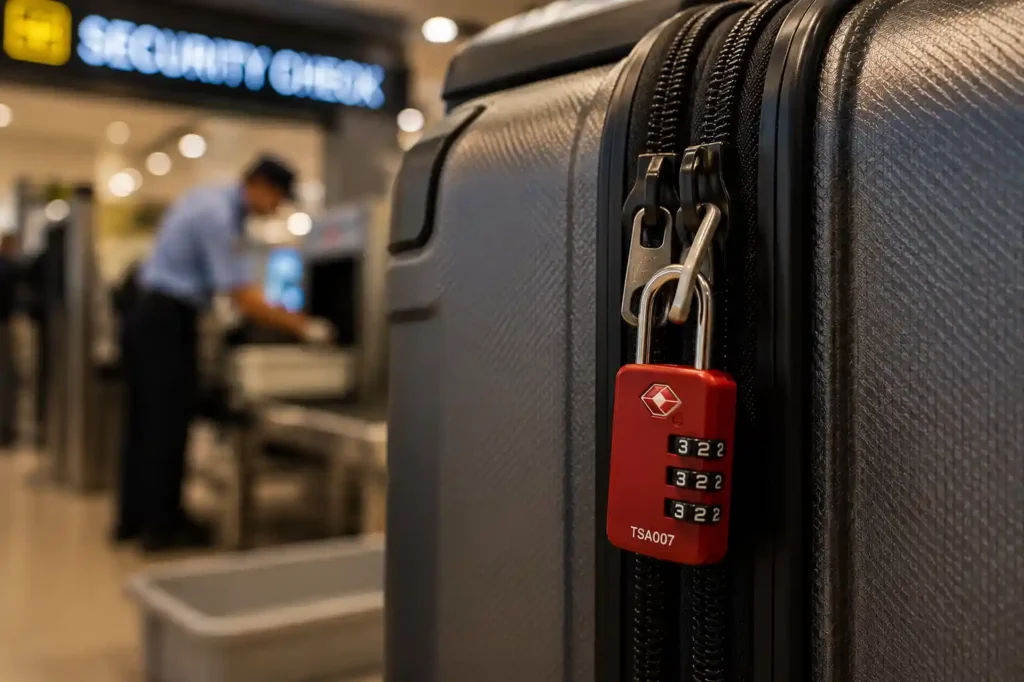
If you are checking baggage internationally, especially through the United States, use a TSA-approved lock. These locks let security agents inspect your bag without cutting the lock off, which protects both your case and your lock.
Expert Buying Advice
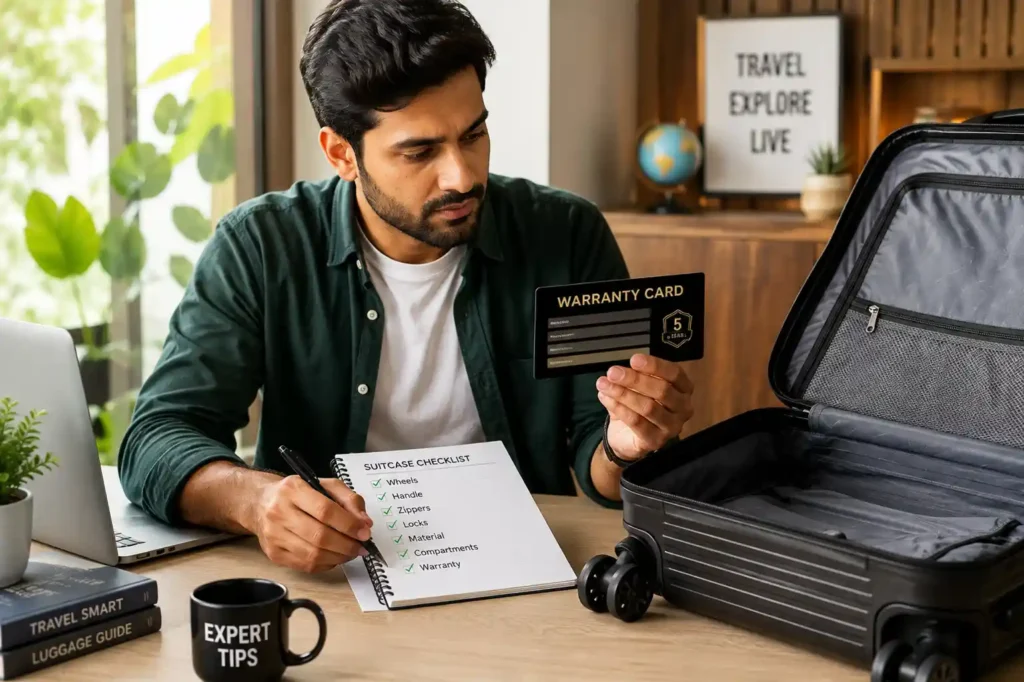
Match the material to your travel frequency first, then worry about color and brand. A suitcase you use twice a year does not need the same shell that a suitcase used twice a month needs.
Check the warranty length and what it actually covers. A long warranty on wheels and handles tells you more about expected lifespan than any marketing copy about the shell material.
If you travel internationally, pick a locking suitcase with a TSA-approved lock built in, or add one separately. This keeps your bag secure while still allowing routine security inspections without damage.
Consider a textured or ribbed shell over a glossy one if you care about how the case looks after real use, not just on day one. Good shell construction matters more than logos when you are investing in travel gear that needs to survive years of use.
Recommended Luggage by Category
These picks reflect commonly recommended models in each material category based on published specifications and market positioning. Always confirm current pricing and availability directly with the retailer before buying.
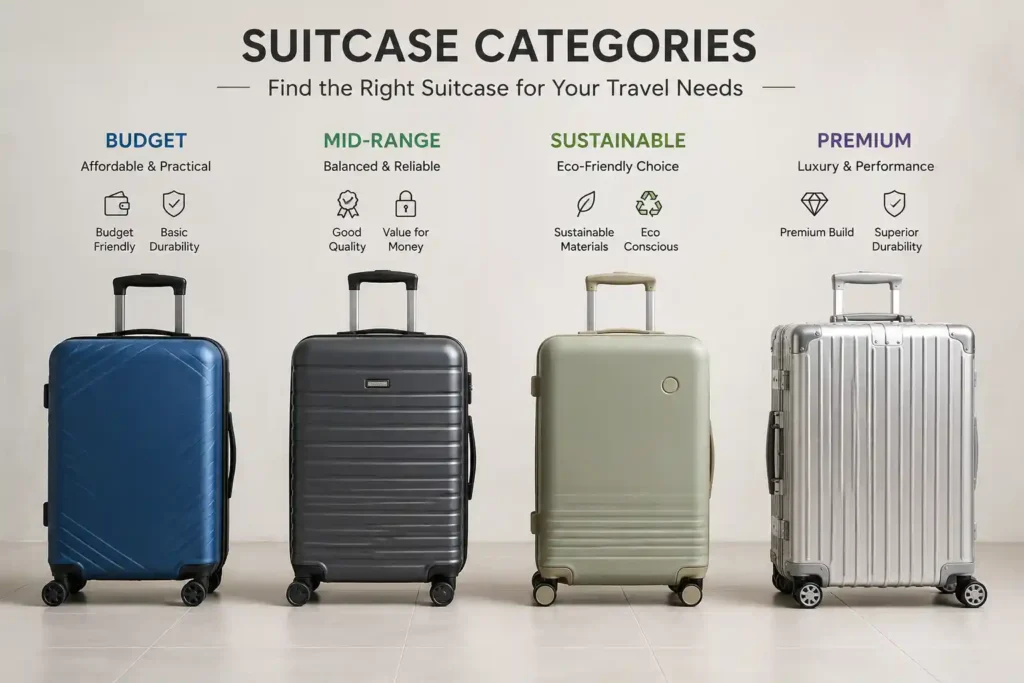
- Best Premium Polycarbonate: Samsonite Myton Polycarbonate Spinner, a well-reviewed choice for frequent flyers who want a durable, lightweight shell.
- Best Mid-Range Polycarbonate: Mokobara The Transit Check-In, popular for its balance of design and durability in checked baggage.
- Best Sustainable Option: Uppercase Vector Sustainable Trolley, built around recycled material credentials for eco-conscious travelers.
- Best Budget ABS: Skybags Trooper Hard Trolley, a solid entry point for occasional travelers on a tighter budget.
Final Verdict
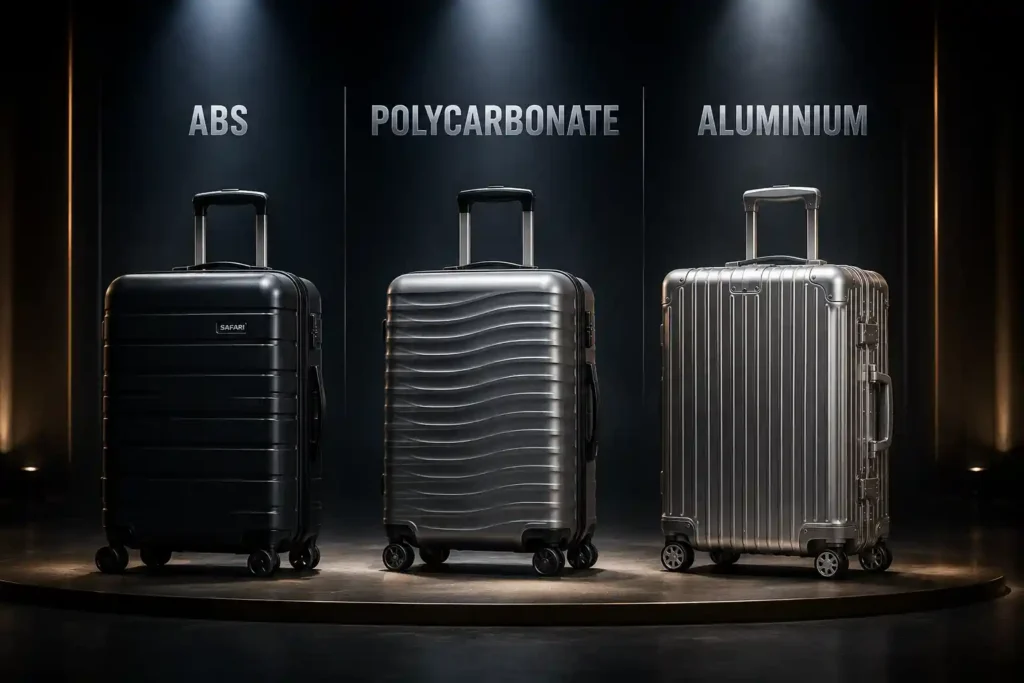
For most travelers weighing ABS vs Polycarbonate luggage, polycarbonate is the smarter long-term buy. It flexes instead of cracking under real airport handling, holds up over more years of use, and the price gap narrows once you calculate cost per year rather than cost per checkout.
Choose ABS if you travel occasionally, want a lower upfront cost, and are less concerned about years of checked baggage abuse.
Choose aluminium if budget and weight are not limiting factors and you want a rigid, premium case that ages with visible character rather than failing outright.
There is no universally wrong choice here. There is only the right material for how often you actually fly, and how much punishment your suitcase realistically needs to survive.
Why You Can Trust This Comparison
This guide compares ABS and polycarbonate beyond their technical specifications. I looked at durability, flexibility, weight, finish quality, impact protection, long-term performance, and price to explain which material offers better value for different types of travelers.
FAQs (Because People Keep Asking)
1. Is ABS luggage better than polycarbonate?
In the ABS vs Polycarbonate Luggage comparison, ABS is better for budget and occasional travel because it costs less and resists scratches slightly better. Polycarbonate is better for durability, since it flexes instead of cracking under a hard impact.
2. Which luggage material lasts longer?
Polycarbonate typically lasts longer, often 5 to 10 or more years with regular care, compared to about 3 to 5 years for a typical ABS case.
3. Polycarbonate vs ABS luggage durability, which wins?
Polycarbonate wins on durability against hard impacts because its molecular structure absorbs and spreads out stress instead of concentrating it at one crack point.
4. Which suitcase material is best overall?
There is no single best material for everyone. Polycarbonate suits frequent travelers, ABS suits occasional travelers on a budget, and aluminium suits those who want maximum durability and do not mind extra weight and cost.
5. What is the best hard shell luggage material?
Polycarbonate offers the best balance of impact resistance, weight, and price for most travelers. Aluminium offers the highest structural durability at a higher weight and cost.
6. What are the Pros and Cons of ABS luggage?
ABS luggage is affordable, rigid, and resists scratches well, but it can crack under a hard, sudden impact and generally has a shorter lifespan than polycarbonate.
7. What are the pros and cons of polycarbonate luggage?
Polycarbonate luggage offers excellent impact resistance, a longer lifespan, and a premium feel, but it costs more and glossy finishes show scratches more visibly.
8. Is polycarbonate luggage worth buying?
Yes, for most regular travelers, because the higher upfront cost is usually offset by a longer usable lifespan and better resistance to cracking during checked baggage handling.
9. What is the best luggage material for international travel?
Polycarbonate is a strong all-around choice for international travel because it balances weight, durability, and cost. Aluminium is the upgrade pick for travelers who fly very frequently and want maximum structural strength.
10. What are the best polycarbonate luggage brands?
Samsonite, Mokobara, Away, and Monos are commonly recommended for polycarbonate luggage, based on independent travel publication testing and reviews.
11. What are the best ABS luggage brands?
Skybags and other budget-focused luggage brands are commonly recommended for ABS luggage aimed at occasional travelers.
12. What is the best luggage for checked baggage?
Polycarbonate or aluminium suitcases are best for checked baggage, since checked bags face more handling and impact than carry-on luggage.
13. What is the best luggage for frequent travelers?
Polycarbonate luggage offers the best combination of durability and value for frequent travelers, with aluminium as a premium upgrade for those who want maximum longevity.
14. Is aluminium luggage worth it?
It is worth it for travelers who fly very frequently, carry sensitive equipment, or want a premium case that lasts a decade or more, despite the higher price and weight.
More Quick Questions, Answered
A few more specific questions come up often enough that they deserve a direct answer too.
1. Which luggage scratches less?
ABS generally shows fewer fine scratches than glossy polycarbonate, though textured or matte polycarbonate finishes close much of that gap.
2. What should I know before buying polycarbonate luggage?
Check the shell finish, since glossy versions scratch more visibly than textured ones, and compare warranty coverage on wheels and handles, not just the shell.
3. What is the best lightweight luggage material?
Polycarbonate is generally the best lightweight option among hard shell materials, often matching or slightly beating ABS while offering better impact resistance.
4. Which is the strongest hard shell suitcase?
Aluminium is structurally the strongest, since it resists cracking almost entirely and only dents under extreme force. Polycarbonate is the strongest among lightweight plastic options.
5. Does polycarbonate luggage crack?
It can crack under an extremely hard or sharp impact, but its flexible structure makes cracking far less common than with ABS.
6. Does ABS luggage break easily?
ABS luggage can crack under a hard, concentrated impact, such as a drop onto a hard edge, more easily than polycarbonate, though it holds up fine under normal handling.
7. Which luggage is more durable, ABS or polycarbonate?
Polycarbonate is more durable overall, thanks to its ability to flex and absorb impact energy rather than cracking under stress.
8. Which luggage is lighter, ABS or polycarbonate?
The two materials are close in weight, with polycarbonate often having a small edge in modern, ribbed panel designs.
9. Does aluminium luggage dent?
Yes, aluminium dents rather than cracks under impact. The case typically stays fully functional, and many travelers see the dents as part of the case’s character.
Research & References
This article is based on official manufacturer specifications, warranty information, product documentation, airline baggage policies where applicable, and publicly available industry resources. Customer reviews and market trends are also considered to provide balanced, accurate, and up-to-date recommendations.
Our Editorial Process
Every article published on SwoopCart is independently researched to help travelers make informed buying decisions. I review official product specifications, compare features across leading luggage brands, analyze verified customer experiences, and update articles whenever important product information changes.